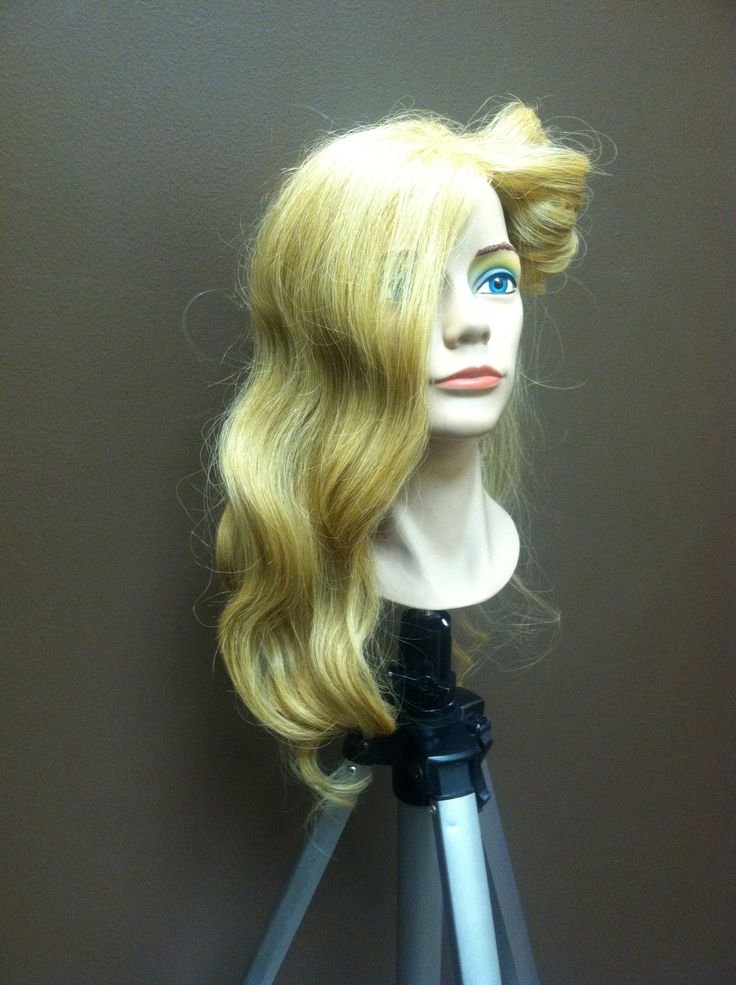
Few hairstyles capture the essence of old Hollywood glamour quite like the Marcel Wave. This iconic S-shaped pattern, synonymous with the roaring twenties and chic thirties, isn't just a relic of the past; it's a statement of sophisticated elegance that remains captivating today. If you've ever dreamt of recreating those deep, undulating waves that perfectly frame the face, you’re in the right place. Mastering Marcel Wave Techniques isn't about chasing trends; it's about embracing a timeless art form that transforms hair into a sculpted masterpiece.
While the original Marcel iron, invented by François Marcel Grateau in the late 19th century, was a fearsome, non-temperature-controlled tool demanding immense skill, today's versions are far more user-friendly. Yet, the core technique requires precision, patience, and an understanding of your hair. Let’s unravel the secrets to achieving these stunning vintage waves, ensuring your efforts result in polished perfection, not a frizzy mess.
At a Glance: Your Marcel Wave Roadmap
- Hair Prep is Key: Clean, detangled hair with optimal porosity is non-negotiable for lasting waves.
- Right Tools Matter: A quality Marcel iron with temperature control, appropriate barrel size, and ceramic coating is essential.
- Tension is Everything: Consistent, even tension from root to tip prevents misshapen or falling waves.
- Sectioning Precision: Small, uniform subsections (1-2 inches) are crucial for even heat distribution.
- Cool Down Completely: Allowing waves to set as they cool is the secret to their longevity.
- Don't Rush: This is an art, not a race. Patience yields the best results.
The Foundation of Flawless Waves: Understanding Your Hair
Before you even think about picking up a heated iron, you need to understand your hair's unique characteristics. This isn't just theory; it's the bedrock of success when mastering the marcel iron and its precise technique.
Hair Suitability: Is Your Hair Ready for the Marcel?
Marcel Waves are designed for hair with medium to thick density and good elasticity. If your hair feels fine, sparse, or lacks bounce, this technique might not be for you. Very fine or low-density hair often struggles to hold the defined S-shape and can easily appear sparse when tightly waved.
The Condition Check: Health First, Style Second
Your hair's health directly impacts how well it will take and hold a Marcel Wave.
- Avoid Damaged Hair: Hair with severe high porosity, chemical damage, or excessive bleaching is a poor candidate. These hair types are prone to brittleness, breakage, and may not hold the style effectively.
- Post-Treatment Caution: Never attempt Marcel waving on chemically treated hair (perms, relaxers, fresh color) within the last two weeks, or hair that’s transitioning between textures. Give your hair time to recover and stabilize.
Porosity: The Unsung Hero of Wave Retention
Hair porosity, or your hair's ability to absorb and retain moisture, profoundly affects how it reacts to heat styling and how well a Marcel Wave will set. - High Porosity: Hair with raised cuticles absorbs heat too aggressively, leading to frizz and an inability to form a smooth wave.
- Low Porosity: Hair with tightly closed cuticles resists heat penetration, causing the style to fall quickly as the heat struggles to reset the hydrogen bonds.
- Medium Porosity: This is the sweet spot. Hair with medium porosity allows for even heat distribution, optimal pliability, and the best shape retention.
Quick Porosity Test: Take a strand of clean, product-free hair and drop it into a glass of water. If it floats, you likely have low porosity. If it sinks slowly, medium porosity. If it sinks quickly, high porosity. This simple test can save you a lot of frustration.
The Art of Preparation: Setting the Stage for Success
Perfect Marcel Waves begin long before the iron touches your hair. A meticulous preparation protocol is essential to protect your strands and ensure the waves hold their iconic shape.
- Pre-Treatment Boost: Consider a light protein treatment 24-48 hours before styling. This strengthens the hair, fills any cortical gaps, and creates a more robust foundation for the style, significantly enhancing longevity.
- Cleansing Without Residue: Start with a clarifying shampoo to thoroughly strip away any product buildup, oils, or environmental residue. Why is this so crucial? Product buildup can create "hot spots" when heat is applied, leading to uneven heating and potential damage. Follow with a lightweight, volumizing conditioner, focusing only on the mid-lengths and ends. Avoid heavy conditioners or leave-ins at this stage. A clarifying rinse ensures even heat distribution, preventing the dreaded tacky feel that signals trouble.
- The Perfect Dry: Gently towel-dry your hair, aiming for about 70% dampness. This pliability is key for molding the hair. Then, blow-dry with a diffuser on low heat to add body and lift at the roots. Crucially, avoid over-drying; bone-dry hair is less cooperative and more susceptible to heat damage.
- Product Application: Less Is More: Dispense a dime-sized amount of a high-quality heat protectant. Distribute it evenly from roots to ends, ensuring every strand is coated. Follow with a light-hold styling mousse or gel, again using a minimal amount. These products enhance grip and provide a foundational hold, but too much will make your hair stiff and difficult to wave precisely.
Gearing Up: Essential Tools for the Marcel Master
The right tools are half the battle when crafting intricate styles like Marcel Waves. Invest wisely, and your styling journey will be significantly smoother.
The Marcel Iron: Your Primary Weapon
This isn't just any curling iron; it's a specific design built for this technique.
- Barrel Size: The barrel dictates the tightness and scale of your waves.
- Smaller Barrels (3/8 to 1 inch): Ideal for tighter, more defined, traditional waves, often seen on shorter hair or for a very structured look.
- Larger Barrels (1 1/4 inches and up): Create looser, softer, more modern S-waves.
- 1-Inch Barrel: A versatile choice that offers a good balance, producing defined yet not overly tight waves, especially suitable for medium to long hair.
- Material Matters:
- Ceramic-Coated Irons: Distribute heat evenly, minimizing potential hot spots and damage, resulting in smooth, shiny waves.
- Tourmaline-Infused Ceramic: Goes a step further by adding negative ions, which help seal the hair cuticle, reducing frizz and enhancing shine.
- Avoid Cheap Metal Irons: These often heat unevenly, leading to damage and inconsistent results.
- Essential Features:
- Adjustable Heat Settings: Non-negotiable for protecting your hair.
- 250-300°F (120-150°C): For fine, fragile, or color-treated hair.
- 350-400°F (175-200°C): For thick, coarse, or resistant hair. Always start with the lowest effective temperature.
- Lightweight Design: Crucial for comfort during extended styling sessions.
- Heat-Resistant Handle: For safety and comfortable grip.
- Swivel Cord: Prevents tangles and allows for greater maneuverability.
- Automatic Shut-Off: A safety feature that can save you from an absentminded moment.
- Heat-Resistant Glove: Highly recommended to protect your hands, especially when learning the technique.
Other Must-Have Tools
- Sectioning Clips: Essential for managing your hair efficiently.
- Tail Comb: For precise, clean sections, which are paramount to this style.
- Wide-Tooth Comb: For gently detangling and preparing sections without disturbing others.
- Styling Products:
- Medium-Hold Hairspray: For setting the finished waves.
- Light Setting Lotion/Foam: Can be applied to individual sections for extra hold and definition.
The Step-by-Step Guide: Crafting the Marcel Wave (Long Hair Focus)
This is where the magic happens. Precision and consistent execution are your allies. Remember, the goal is uniform, deep S-waves.
- Masterful Sectioning: Begin by dividing your hair into four main quadrants: two horizontal sections from ear to ear, and one vertical section down the center. Use your tail comb to create crisp, clean lines. Clip away the hair you’re not working on. Now, within each quadrant, take precise subsections of hair, no more than 1.5 inches wide and 1-2 inches deep. The key here is consistency in size and tension. Section against the natural fall of the hair to ensure the waves align uniformly across the head. Inconsistent tension or oversized sections are responsible for over 80% of home attempts failing to hold the style. Professionals meticulously work with small, manageable pieces.
- Double Down on Heat Protection: Even after your initial application, give each subsection a light mist of heat protectant spray. Better safe than sorry when direct heat is involved.
- Iron Application – The Core of the Wave: Ensure your Marcel iron is fully heated to the appropriate temperature for your hair type. Hold the iron vertically, clamp a small subsection of hair near the roots (about an inch from the scalp). The key here is not to clamp too tightly, but enough to hold the hair securely.
- The Wave Formation Dance:
- With the hair clamped, rotate the iron 180 degrees away from your face.
- Gently glide the iron down the hair shaft a short distance (an inch or two).
- Now, rotate the iron 180 degrees back towards your face, creating the opposing curve of the "S."
- Continue this push-and-pull, rotating the iron away, gliding, then rotating back, gliding, working your way down the hair shaft.
- Maintain consistent, firm tension throughout the entire process. The speed of your movement dictates the tightness of the wave: slower movements for tighter, more defined waves; slightly faster for looser, softer waves.
- As you reach the ends, release the clamp. For a traditional vintage look, you might wave right to the very tip. For a modern twist, leave the last inch or two straight.
- Consistency is King: Repeat this precise process on every single subsection. The aim is for each wave to align horizontally with its neighbors, creating that seamless, undulating pattern. Avoid rushing or taking larger sections to speed things up – this will inevitably lead to uneven waves and potential heat damage. Treat each section as its own small masterpiece.
The Grand Finale: Finishing for Lasting Glamour
You've painstakingly crafted each wave; now, protect your work with the right finishing steps. This stage is crucial for setting the style and ensuring longevity.
- The Cold Hard Truth: Cool Completely! This is perhaps the most overlooked, yet vital, step. After setting all the waves, allow your hair to cool completely for at least 15-20 minutes. You can lightly clip the waves into place or use a setting net. Rushing this step is the number one reason waves fall flat. Heat molds the hair, but cooling sets the hydrogen bonds into their new shape. Patience here pays off immensely.
- Gentle Shaping and Separation: Once cool, gently remove any clips or rollers. Resist the urge to aggressively brush or comb through the waves. Instead, use your fingers to lightly shape and separate them. If you want a softer look, you can use a wide-tooth comb to very gently comb through the waves, but proceed with extreme caution to avoid disrupting the pattern or causing frizz. The goal is to define, not destroy.
- Hold and Shine: The Perfect Polish: Lightly mist your masterpiece with a medium-hold hairspray. Hold the can 8-10 inches away from your head, using a sweeping motion to avoid saturating one spot and causing stiffness. For added shine and to keep any flyaways at bay, warm a dime-sized amount of smoothing serum or light hair oil in your palms and lightly pat or glide it over the mid-lengths and ends. This adds a beautiful sheen without over-manipulating the waves or making them greasy.
- Accessorize for Impact: Elevate your vintage glamour with carefully chosen accessories. Classic choices include pearl clips, rhinestone barrettes, or a chic headband. For a modern take, consider pulling out a few face-framing strands around your temples to soften the look. A silk scarf can also add a touch of timeless elegance.
Common Questions & Troubleshooting Your Marcel Wave Journey
- "My waves aren't holding!"
- Check Porosity: Is your hair too high or low porosity? Adjust prep products accordingly.
- Cool Down Time: Did you let your waves cool completely before touching them? This is critical.
- Product Layering: Are you using enough (but not too much) light-hold mousse/gel?
- Hair Condition: Is your hair healthy enough to hold a style?
- Section Size/Tension: Too large sections or inconsistent tension are prime culprits.
- "Why are my waves frizzy?"
- Hair Condition: Damaged or high-porosity hair is prone to frizz.
- Over-Drying: Starting with bone-dry hair can lead to frizz.
- Iron Material: Cheap metal irons can cause frizz. Ceramic/tourmaline are better.
- Too Much Product: Heavy products can create a sticky surface that frizzes with heat.
- Humidity: Finish with an anti-humidity spray if you live in a damp climate.
- "My waves look uneven."
- Sectioning: Were your subsections uniform in size (no more than 1.5 inches wide) and perfectly straight?
- Iron Consistency: Did you apply the iron with the same angle, rotation, and speed for each section? Even subtle variations will show.
- Tension: Inconsistent tension is a major factor. Keep it firm and even.
- "How do I clean my Marcel iron?"
- Always unplug and ensure the iron is completely cool. Use a damp cloth with a mild soap solution to gently wipe down the barrel. Avoid abrasive cleaners or submerging the iron in water. Clean regularly to prevent product buildup, which can affect performance and potentially damage your hair.
Embracing the Art of Vintage Styling
Mastering Marcel Wave Techniques is a journey, not a destination. It requires practice, patience, and a keen eye for detail. But the payoff is immense: a signature style that radiates confidence, sophistication, and a timeless allure. In a world of fleeting trends, the Marcel Wave stands as a testament to enduring beauty. So, take your time, understand your hair, equip yourself with the right tools, and enjoy the process of creating your own flawless vintage glamour.