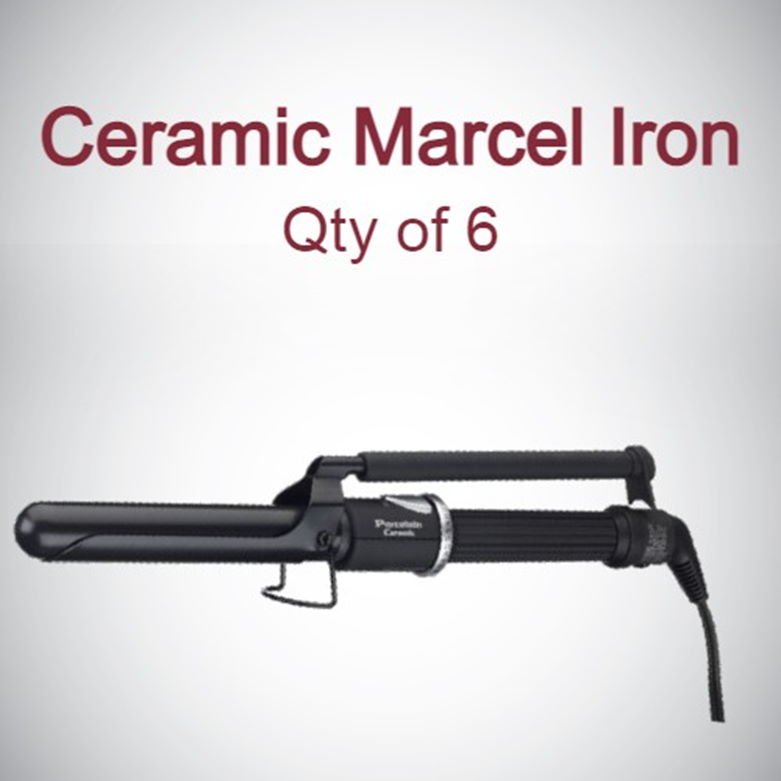
The Marcel iron: a tool revered by stylists for over a century, capable of crafting curls so pristine they appear sculpted. But with this unparalleled ability to transform hair comes a responsibility – a deep understanding of Marcel Iron Safety and Hair Health. This isn't just another curling iron; it's a precision instrument designed for professional use, operating at temperatures that demand respect. Mishandle it, and you risk not just a bad hair day, but significant damage to your precious strands. Master it, and you unlock a world of enduring, beautiful curls without compromise.
This guide is your authoritative roadmap to wielding the Marcel iron safely and effectively, ensuring your hair remains vibrant, strong, and stunning, curl after perfect curl.
At a Glance: Essential Marcel Iron Safety & Hair Health Tips
- Practice Unplugged: Get comfortable with the grip and rotation before applying heat.
- Glove Up: Use a cotton glove on your non-dominant hand for added protection.
- Tissue Test: Always test the iron's temperature with white tissue paper; brown means too hot.
- Start Low, Go Slow: Begin with the lowest heat setting and adjust gradually.
- Bone Dry Hair: Never use the Marcel iron on damp or wet hair.
- Heat Protection is Key: Apply a quality heat protectant to lengths and ends, avoiding roots.
- Section Smart: Work with manageable 2-3 inch long, 1-inch wide hair sections.
- Comb Protection: Use a comb between the iron and your scalp when curling near the roots.
- Unplug and Cool: Always unplug and allow the iron to cool completely before storing.
Mastering the Marcel: Why This Tool Demands Respect (and Skill)
Invented by Marcel Grateau around 1875, the Marcel curling iron isn't just a piece of styling equipment; it's a legacy. Its enduring popularity among professionals stems from its unique design, which grants unparalleled control and the ability to create consistently perfect, long-lasting curls. Unlike many modern irons, the Marcel boasts a springless clamp that rotates a full 365 degrees around the rod. This design is crucial for uniform curls and a meticulously finished look, but it's also what makes it less forgiving for the untrained hand.
The Marcel operates at extremely high temperatures – often hotter than typical consumer curling irons – and critically, it lacks the protective cool tip found on most other tools. This combination means that while it delivers exceptional results, it also presents a higher risk of burns to both hair and skin if not handled with precision and care. Understanding your marcel iron resource and its nuances is the first step towards safe and successful styling.
Your Hair's Health: The Stakes of High Heat
Heat is a powerful styling ally, but it's also hair's most formidable foe when misused. High temperatures from tools like the Marcel iron can literally cook the keratin protein that makes up your hair, leading to damage. The cuticle, the outermost protective layer of your hair, can lift, crack, or even melt, exposing the inner cortex to further damage. This results in:
- Dryness and Brittleness: Hair loses its natural moisture, becoming prone to breakage.
- Split Ends: The structural integrity of the hair shaft weakens, leading to frayed ends.
- Loss of Elasticity: Hair becomes less resilient, snapping easily when stretched.
- Dullness: A compromised cuticle cannot reflect light effectively, making hair appear lifeless.
- Color Fading: Heat can accelerate the fading of dyed hair, reducing its vibrancy.
The goal isn't to avoid heat entirely, but to manage it. By following strict safety protocols and preparing your hair properly, you can harness the Marcel iron's power for beautiful curls without sacrificing your hair's long-term health.
The Unplugged Rehearsal: Building Muscle Memory
Before you even think about plugging in your Marcel iron, practice. This isn't just a suggestion; it's a non-negotiable step for safety and skill development. Think of it as choreography for your hands.
- Grip and Control: Hold the unplugged iron in your dominant hand. Place your thumb, index, and middle fingers on the main handle. Your ring and little fingers should rest comfortably on the clamp handle. This specific grip allows you to control the crucial raising and lowering of the clamp with finesse.
- The Spin: Practice rotating the iron 365 degrees. The unique rotating handle is what allows you to curl in any direction and achieve those seamless, polished results. Get a feel for the smooth, continuous motion. This isn't a stiff, stationary tool; it flows.
- Added Protection: While practicing, consider wearing a cotton glove on your non-dominant hand. This simulates the real-world use scenario where one hand is supporting the hair strand and needs protection from potential heat. It helps build good habits and awareness of proximity to the hot barrel.
Repeat these motions until they feel natural, almost like an extension of your hand. Muscle memory is your best friend when working with such high temperatures.
Temperature Test: Your Hair's First Line of Defense
One of the most critical safety measures, often overlooked, is properly testing the Marcel iron's temperature. Relying solely on a dial setting isn't enough; factors like ambient temperature and the iron's age can influence its actual heat output.
Here's the definitive test:
- The Unheated Clamp: Before plugging in, take a small piece of white tissue paper.
- The 10-Second Hold: Place the tissue between the unheated clamp and hold it there for 10 seconds.
- Evaluate:
- If the tissue remains white: The temperature is safe for most hair types.
- If it turns brown: The iron is too hot. Immediately lower the temperature setting, allow the iron to cool down completely, and then retest with a fresh piece of tissue. Repeat this process until the tissue stays white.
Why this matters: Different hair types require different temperatures. Fine, damaged, or color-treated hair is more susceptible to heat damage and will require a lower setting than thick, coarse, or virgin hair. Always start with the lowest heat setting possible, even after a successful tissue test, and adjust gradually upward if needed, assessing your hair's response. This method protects your hair and ensures the iron is calibrated for your specific needs.
Preparing Your Canvas: Hair Protection is Non-Negotiable
Proper hair preparation is the bedrock of safe Marcel iron use and healthy, beautiful curls. Skip these steps at your peril.
- Completely Dry Hair: This cannot be stressed enough: your hair must be 100% dry. Using a Marcel iron, or any hot tool, on damp or wet hair is a recipe for severe damage. The heat rapidly boils the water inside the hair shaft, creating steam that literally blasts the hair cuticle apart. This phenomenon, known as "flash drying," leads to extreme frizz, breakage, and a distinctive burning smell. Ensure your hair is thoroughly air-dried or blow-dried until not a single trace of moisture remains.
- Heat Protection Product: A high-quality heat protectant is your hair's armor. These products typically contain silicones or polymers that form a protective barrier around the hair shaft, distributing heat more evenly and reducing direct thermal impact.
- Application: Apply the heat protectant generously, focusing on the mid-lengths and ends of your hair. These areas are older, more fragile, and most prone to damage.
- Avoid the Roots: While protectant is vital for the hair shaft, avoid applying heavy, oily products directly to the roots. This can weigh down the hair, make it greasy, and impact volume, especially if you're aiming for bouncy curls.
Think of it this way: you wouldn't cook food in a hot pan without some oil or non-stick spray, right? Your hair deserves the same consideration. For more on protecting your hair from daily styling, you might find our guide to long-term hair care helpful.
The Art of Sectioning: Precision for Perfect Curls
Effective sectioning isn't just about neatness; it's about control, consistency, and protecting your hair from uneven heat exposure. Rushing this step leads to sloppy curls and potential damage.
- Clean Parting: Use a fine-tooth comb to create clean, precise partings. Messy sections make it difficult to get the iron around the hair evenly and can lead to frizz or missed spots.
- Manageable Segments: Aim for rectangular segments of hair that are typically 2-3 inches long and 1-inch wide.
- Why this size?
- Heat Distribution: Smaller, thinner sections allow the heat from the Marcel iron to penetrate evenly and quickly, ensuring the curl sets properly without requiring excessive heat or prolonged exposure.
- Control: These sizes are much easier to handle with the Marcel iron's unique rotating clamp, preventing tangles and ensuring a smooth glide.
- Consistency: Working with uniform sections guarantees that all your curls will have a similar pattern and hold, creating a cohesive, polished look.
Pin up the unworked sections of hair securely with clips to keep them out of the way. This organized approach streamlines the curling process and dramatically improves your results.
The Marcel Method: A Step-by-Step Guide to Curling Safely
Now that your hair is prepped and your iron is ready, it's time to bring those perfect curls to life. This technique requires patience and practice, but the results are worth it.
- Warm the Strand: Before fully curling, practice sliding the unheated portion of the Marcel iron down the chosen hair strand a few times. This warms the hair slightly, making it more pliable and ready to receive the curl, much like prepping clay before molding.
- Positioning the Iron: Slide the iron towards you, away from the scalp, positioning it at the middle of the hair strand (or closer to the root if you want the curl to start higher).
- The "Clicking" Technique: This is where the Marcel's unique design truly shines.
- Gently roll the iron with your dominant hand.
- Simultaneously, "click" the clamp open and closed slightly using your ring and little fingers on the clamp handle. This allows the hair to slide smoothly through the clamp without falling off, ensuring even tension and heat distribution.
- This continuous roll-and-click motion is what builds the curl from the middle of the strand upwards. Your knuckles should lead the upward rolling motion, guiding the iron.
- Scalp Protection (Crucial!): When the iron gets close to the scalp, always, always use a fine-tooth comb as a protective barrier. Place the comb between the hot iron and your scalp. This simple yet vital step prevents accidental burns, especially when working on shorter layers or near the hairline.
- Hold and Release: Once the curl is formed, hold the iron in place for a few seconds (the exact time depends on your hair type and desired curl intensity). Then, carefully release the curl by opening the clamp and gently pulling the iron away.
- Cool the Curl: Once released, cup the warm curl in your hand or pin it up to cool completely. Allowing the curl to cool in its shaped form helps to "set" the curl, ensuring it lasts longer. Think of it like letting a freshly baked cake cool before slicing – it retains its shape better.
Remember, the Marcel iron's springless clamp requires you to manually maintain tension, giving you full control over the curl's tightness and direction. This control is its power, but it also means no shortcuts. Every movement must be intentional. For a deeper dive into different curl patterns you can achieve, you can explore this comprehensive Marcel iron guide.
Common Mistakes and How to Avoid Them
Even seasoned stylists can make errors, but recognizing and avoiding common pitfalls with the Marcel iron is key to both safety and stellar results.
- Overheating the Iron: We've covered the tissue test, but it bears repeating: going too hot for your hair type is the fastest way to cause irreversible damage. Always err on the side of caution and increase temperature only if absolutely necessary.
- Using on Wet/Damp Hair: This is the cardinal sin of heat styling. The sizzling sound isn't "setting" the curl; it's literally boiling your hair from the inside out. Ensure hair is bone dry.
- Skipping Heat Protectant: Your hair's natural defenses aren't enough against the Marcel's heat. Heat protectant acts as a crucial buffer. Never skip it.
- Large or Uneven Sections: This leads to inconsistent curls, where some parts are over-curled and others barely touched. Stick to small, uniform sections for even heating and better control.
- Rushing the Process: The Marcel method is an art form, not a race. Rushing increases the risk of burns, uneven curls, and tangles. Take your time, especially during the clicking technique.
- Neglecting Scalp Protection: A momentary lapse in judgment can lead to a painful burn. Always use a comb as a barrier when the iron is near the scalp.
- Improper Storage: Once you're done, unplug the iron immediately. Do not store it hot. Allow it to cool completely on a heat-resistant surface before putting it away. Storing a hot iron can melt surfaces, cause fires, or damage the iron itself.
- Not Cleaning the Iron: Product buildup on the iron can cause uneven heating and snagging. Regularly wipe down the barrel (when cool and unplugged!) with a damp cloth to remove residue.
Post-Curl Care: Preserving Your Style and Hair Health
Your work isn't done once the last curl is set. Proper aftercare ensures your curls last and your hair remains healthy.
- Unplug Immediately: As soon as you've finished styling, unplug the Marcel iron from the wall socket. This prevents accidental overheating or electrical hazards.
- Allow to Cool Completely: Place the unplugged iron on a heat-resistant mat or surface. Do not touch the barrel or clamp until it has cooled down entirely. This prevents burns and ensures the iron is safe to handle for storage. Never store a hot iron in a drawer or bag, as it can damage other items or pose a fire risk.
- Gentle Detailing: Once your curls have cooled (which is essential for them to set), you can gently separate them with your fingers or a wide-tooth comb for a softer, fuller look. Avoid brushing them out immediately, as this will loosen the curl pattern too quickly.
- Finishing Products: A light-hold hairspray or a curl-enhancing serum can help lock in your style and add shine without weighing down the curls.
- Night-Time Protection: To extend the life of your curls and protect your hair, consider sleeping on a silk pillowcase or wrapping your hair in a silk scarf. This reduces friction and prevents frizz and flattening.
By taking these final steps, you're not just creating a beautiful style; you're actively contributing to the long-term health and integrity of your hair.
Q&A: Your Marcel Iron Questions Answered
We often hear questions about specific scenarios and hair types. Here are some quick answers to common concerns:
Q: Can I use a Marcel iron on chemically treated hair (e.g., relaxed, permed)?
A: You can, but with extreme caution. Chemically treated hair is often more fragile and porous, making it highly susceptible to heat damage. Always use the absolute lowest effective temperature, ample heat protectant, and minimize heat exposure time. If in doubt, consult with your stylist.
Q: How often can I use a Marcel iron without damaging my hair?
A: This depends heavily on your hair type, its current health, and your styling routine. For most, daily heat styling with any tool is not recommended. If you're following all safety protocols, 1-2 times a week might be acceptable for healthy hair. Listen to your hair; if you notice dryness, breakage, or dullness, reduce frequency and boost your hair's conditioning treatments.
Q: My curls don't hold well. Should I just turn up the heat?
A: Not necessarily. While heat helps set the curl, simply cranking up the temperature might damage your hair without improving hold significantly. Instead, ensure your hair is 100% dry, that you're using appropriate section sizes, allowing the curls to cool completely before touching them, and potentially using a light-hold styling product designed for curls. Sometimes, it's about technique, not just temperature.
Q: What's the best heat protectant to use?
A: Look for lightweight formulas that don't leave residue. Sprays are often easiest for even distribution. Key ingredients to look for include silicones (like dimethicone or cyclomethicone), which create a barrier, and hydrolyzed proteins (like wheat or keratin), which help strengthen hair. Always apply to dry hair before using the iron.
Beyond the Curl: Long-Term Hair Health Strategies
While mastering the Marcel iron safely is crucial, it's part of a larger picture of holistic hair care. To truly maintain vibrant, healthy hair, consider these broader strategies:
- Hydrate from Within: Drink plenty of water. Healthy hair starts with a healthy body.
- Balanced Diet: Ensure your diet is rich in vitamins, minerals, and proteins essential for hair growth and strength (e.g., biotin, iron, Vitamin E).
- Quality Hair Products: Invest in good quality shampoos, conditioners, and treatments suited for your hair type. Look for moisturizing and strengthening ingredients.
- Regular Trims: Schedule regular trims every 6-8 weeks to remove split ends and keep your hair looking fresh and healthy.
- Deep Conditioning: Incorporate a weekly deep conditioning treatment or hair mask to replenish moisture and repair damage, especially if you regularly use heat tools.
- Protective Styling: Give your hair a break from heat styling when possible. Explore heatless curling methods or embrace your natural texture.
- Gentle Handling: Wet hair is most vulnerable. Avoid harsh towel drying and vigorous brushing. Use a wide-tooth comb to detangle wet hair.
Integrating these practices will not only improve your hair's overall health but also make it more resilient to the occasional heat styling with your Marcel iron.
Final Word: Confidence Through Competence
The Marcel iron is an extraordinary tool, capable of delivering salon-quality curls that turn heads and last for days. But like any powerful instrument, it demands respect, practice, and an unwavering commitment to safety.
By understanding its unique design, mastering the proper grip and technique, diligently testing temperatures, and consistently prioritizing hair health through preparation and aftercare, you empower yourself. You move beyond merely styling hair; you become a craftsman, capable of creating beauty without compromise.
Embrace the learning curve, practice your technique, and let these guidelines be your constant companion. The confidence you gain from safely and skillfully wielding your Marcel iron will shine through, not just in your stunning curls, but in the enduring health and vitality of your hair.